
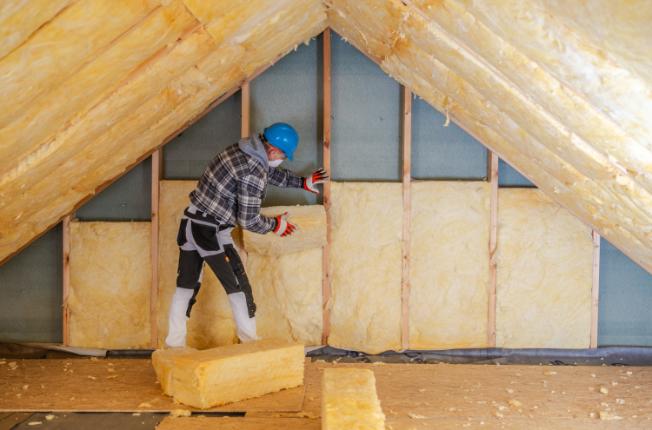
Loft Boarding Insulation
Enquire Today For A Free No Obligation Quote
At Loft Boarding Insulation, we offer a practical and energy-efficient solution for homeowners looking to maximise storage while improving heat retention.
A professional loft insulation and boarding company installs raised flooring systems that protect insulation layers, allowing airflow to circulate freely beneath the boards.
Since traditional boarding methods can compress insulation and reduce its performance, raised loft boarding ensures full energy efficiency while creating safe, usable storage space.
As modern homes are built with deeper insulation to meet current energy standards, this raised system provides a compliant, sustainable, and cost-effective solution for homeowners who want to make the most of their loft space.
Request a free, no-obligation quote for loft boarding insulation.
Can Loft Boarding Be Installed in a New-Build Property?
Loft boarding can be installed in a new-build property, but it must be done in compliance with the warranty requirements and insulation specifications set by the developer or warranty provider.
Many new-build homes have pre-installed loft insulation to current standards, which often reaches 270mm or more in depth. Since boarding directly onto joists would compress this insulation, a raised boarding system is essential to maintain thermal performance and avoid voiding structural warranties such as those provided by NHBC.
Developers sometimes discourage or prohibit alterations during the initial warranty period, so it is important to check the property’s handover documents or consult the warranty provider before proceeding.
When installed properly using raised systems that preserve ventilation and insulation depth, loft boarding in new-builds provides safe storage without affecting the building’s energy performance or long-term structural guarantees.
Will Boarding the Loft Affect the Performance of My Insulation?
Boarding the loft can negatively affect the performance of your insulation if not installed using the correct method, particularly if boards are laid directly on top of the insulation.
When insulation is compressed, its ability to trap air and retain heat is significantly reduced. This leads to lower energy efficiency, reduced comfort in the home, and potentially higher heating bills over time.
To prevent these issues, loft boarding must be installed using a raised system that allows insulation to retain its full thickness while still providing a solid, walkable platform.
Properly installed loft boarding not only protects the insulation from disturbance but also ensures that the thermal envelope of the home remains intact, supporting consistent energy savings.
Can I Still Access Wiring and Pipes After Loft Boarding?
Access to wiring and pipework is still possible after loft boarding, but it depends on how the boards have been installed and whether access points were planned during installation.
Professional loft board installation typically includes the creation of removable panels or access hatches at key service points, such as near water tanks, electrical junction boxes, or heating pipes.
If access panels are not built in during installation, future maintenance may require lifting sections of the boarded area, which could be more time-consuming and risk damaging the boards or subframe.
To ensure long-term practicality, it’s important to inform your installer of any areas that may require future access, allowing them to design a solution that balances storage needs with service accessibility.
Does Loft Boarding Create Condensation Problems?
Loft boarding can contribute to condensation problems if it is installed without preserving adequate ventilation between the insulation and the roof structure.
Warm, moist air from the living space can rise into the loft and, if trapped, may condense on cold surfaces such as rafters or roofing felt. This is particularly common in homes where insulation is installed without sufficient airflow or where soffit and ridge vents are blocked by insulation or boarding.
To avoid these issues, raised loft boarding systems are designed to allow continuous airflow across the loft, maintaining a balance between insulation and ventilation.
When installed correctly, loft boarding should not cause condensation, and may even help manage it by protecting insulation from moisture exposure and encouraging natural ventilation paths to remain open.
How Much Loft Height Do I Need for Boarding?
The amount of loft height required for safe and practical loft boarding depends on the type of insulation used and the clearance needed for a raised boarding system.
Generally, a minimum loft height of around 1.2 to 1.5 metres is recommended to allow for effective boarding installation and comfortable movement during use or maintenance.
In properties with low-pitched roofs or shallow lofts, raised boarding systems may still be installed, but storage capacity and headroom will be limited. In such cases, slimmer insulation materials such as PIR boards may be used to achieve thermal targets while minimising height loss.
A professional assessment will determine whether your loft has sufficient space for both insulation and boarding, and whether modifications are needed to optimise the layout.
What Happens to the Loft Hatch and Ladder?
When loft boarding is installed, the loft hatch and ladder are often upgraded or repositioned to improve access and usability.
In many homes, existing loft hatches are small or poorly located, making access awkward once boarding is in place. Installers can enlarge the hatch opening, relocate it to a more central position, or install a drop-down insulated hatch for better thermal performance.
Loft ladders may also be added or upgraded during the same visit, typically using aluminium or timber folding models that are safe, space-saving, and compliant with UK safety standards.
A combined hatch and ladder installation improves convenience, especially for homeowners who plan to use the loft regularly for storage.
How Long Does It Take to Install Loft Boarding?
The installation of loft boarding typically takes between one and two days depending on the size and layout of the loft.
Smaller installations can often be completed within a single day, while larger or complex lofts may require additional time.
Professional installers plan the project to minimise disruption.
Once finished, the boarded area is immediately ready for use.
Can Loft Boarding Be Installed in a New-Build Property?
Professional loft boarding is perfectly suited for new-build homes.
Many modern properties have deep layers of insulation, making raised loft boarding the safest and most efficient choice.
The system allows airflow beneath the boards, preventing insulation compression and condensation.
We ensure compliance with energy-efficiency standards while providing valuable storage space.
Will Loft Boarding Affect the Performance of My Insulation?
Loft insulation and boarding is designed to protect the performance of existing insulation.
The raised sub-frame keeps boards elevated above the insulation, preserving its thermal efficiency.
Air can still circulate freely through the roof void.
As the insulation remains uncompressed, the home’s energy efficiency is maintained.
How Much Weight Can Loft Boarding Hold?
Raised loft boarding is engineered to support distributed loads of around 25 to 30 kilograms per square metre, depending on the structure and joist strength.
The system is designed for the storage of boxes, household items, and seasonal belongings.
Installers assess joist integrity before installation to ensure safe weight limits.
The boards provide a strong and stable surface for access and storage.
Is Loft Boarding a Good Investment for My Home?
Loft boarding installation is an excellent investment for homeowners seeking affordable extra storage and improved energy efficiency.
It creates valuable space without requiring a full loft conversion.
The system helps protect insulation, reducing heat loss and lowering energy bills.
As a durable upgrade, it can also enhance your property’s overall value and appeal.
Can Loft Boarding Help Reduce Energy Bills?
Loft insulation and boarding can help lower energy bills by improving the thermal performance of your home.
By maintaining proper insulation thickness and airflow, heat retention is improved throughout the property.
Reduces energy waste during colder months. Over time, the savings on heating costs often offset the initial installation expense.
Do I Need to Clear My Loft Before Installation?
Clearing your loft before loft boarding installation ensures safe and efficient access for installers.
All items, insulation materials, or loose debris should be removed from the work area.
Professionals can advise on storage options or assist with preparation if required.
A clean loft allows the team to complete the job quickly and without obstruction.
Can Loft Boarding Be Removed or Extended Later?
Professional loft boarding can be easily removed, adjusted, or extended in the future.
The modular design allows installers to lift individual boards to access wiring, insulation, or pipes.
Flexibility makes it a practical long-term investment.
Homeowners can also expand the boarded area later if additional storage is needed.
Is Loft Boarding Fire-Resistant?
Most loft boarding systems are constructed using fire-rated materials that meet UK safety standards.
The boards and supporting structures are designed to resist ignition and slow fire spread.
When combined with adequate insulation and ventilation, the system contributes to a safe and compliant loft space.
Professional installation ensures all safety measures are met.
Does Loft Boarding Add Value to My Home?
Loft boarding installation can increase the value and appeal of your property.
A safe, usable loft space is an attractive feature for potential buyers seeking additional storage or workspace.
As it also improves energy efficiency, the upgrade enhances your home’s marketability.
The professional finish provides a long-lasting improvement that benefits both comfort and value.
Can Loft Boarding Be Installed in a New-Build Property?
Loft boarding can be installed in a new-build property, but it must be done in compliance with the warranty requirements and insulation specifications set by the developer or warranty provider.
Many new-build homes have pre-installed loft insulation to current standards, which often reaches 270mm or more in depth. Since boarding directly onto joists would compress this insulation, a raised boarding system is essential to maintain thermal performance and avoid voiding structural warranties such as those provided by NHBC.
Developers sometimes discourage or prohibit alterations during the initial warranty period, so it is important to check the property’s handover documents or consult the warranty provider before proceeding.
When installed properly using raised systems that preserve ventilation and insulation depth, loft boarding in new-builds provides safe storage without affecting the building’s energy performance or long-term structural guarantees.
Will Boarding the Loft Affect the Performance of My Insulation?
Boarding the loft can negatively affect the performance of your insulation if not installed using the correct method, particularly if boards are laid directly on top of the insulation.
When insulation is compressed, its ability to trap air and retain heat is significantly reduced. This leads to lower energy efficiency, reduced comfort in the home, and potentially higher heating bills over time.
To prevent these issues, loft boarding must be installed using a raised system that allows insulation to retain its full thickness while still providing a solid, walkable platform.
Properly installed loft boarding not only protects the insulation from disturbance but also ensures that the thermal envelope of the home remains intact, supporting consistent energy savings.
Can I Still Access Wiring and Pipes After Loft Boarding?
Access to wiring and pipework is still possible after loft boarding, but it depends on how the boards have been installed and whether access points were planned during installation.
Professional loft board installation typically includes the creation of removable panels or access hatches at key service points, such as near water tanks, electrical junction boxes, or heating pipes.
If access panels are not built in during installation, future maintenance may require lifting sections of the boarded area, which could be more time-consuming and risk damaging the boards or subframe.
To ensure long-term practicality, it’s important to inform your installer of any areas that may require future access, allowing them to design a solution that balances storage needs with service accessibility.
Does Loft Boarding Create Condensation Problems?
Loft boarding can contribute to condensation problems if it is installed without preserving adequate ventilation between the insulation and the roof structure.
Warm, moist air from the living space can rise into the loft and, if trapped, may condense on cold surfaces such as rafters or roofing felt. This is particularly common in homes where insulation is installed without sufficient airflow or where soffit and ridge vents are blocked by insulation or boarding.
To avoid these issues, raised loft boarding systems are designed to allow continuous airflow across the loft, maintaining a balance between insulation and ventilation.
When installed correctly, loft boarding should not cause condensation, and may even help manage it by protecting insulation from moisture exposure and encouraging natural ventilation paths to remain open
How Much Loft Height Do I Need for Boarding?
The amount of loft height required for safe and practical loft boarding depends on the type of insulation used and the clearance needed for a raised boarding system.
Generally, a minimum loft height of around 1.2 to 1.5 metres is recommended to allow for effective boarding installation and comfortable movement during use or maintenance.
In properties with low-pitched roofs or shallow lofts, raised boarding systems may still be installed, but storage capacity and headroom will be limited. In such cases, slimmer insulation materials such as PIR boards may be used to achieve thermal targets while minimising height loss.
A professional assessment will determine whether your loft has sufficient space for both insulation and boarding, and whether modifications are needed to optimise the layout.
What Happens to the Loft Hatch and Ladder?
When loft boarding is installed, the loft hatch and ladder are often upgraded or repositioned to improve access and usability.
In many homes, existing loft hatches are small or poorly located, making access awkward once boarding is in place. Installers can enlarge the hatch opening, relocate it to a more central position, or install a drop-down insulated hatch for better thermal performance.
Loft ladders may also be added or upgraded during the same visit, typically using aluminium or timber folding models that are safe, space-saving, and compliant with UK safety standards.
A combined hatch and ladder installation improves convenience, especially for homeowners who plan to use the loft regularly for storage.
Request a Free Quote for Loft Boarding Insulation
Loft boarding insulation combines practicality, safety, and energy efficiency to transform your loft into a valuable storage area.
With expertly installed raised systems, your insulation remains protected, airflow is maintained, and your home stays warmer all year round.
Whether upgrading an older property or improving a new build, professional loft boarding insulation delivers lasting comfort, functionality, and savings on energy bills.
Get a free quote for loft boarding insulation today.
Find More Info
Make sure you contact us today for a number of great loft boarding insulation services.
For more information on loft boarding insulation, fill in the contact form below to receive a free quote today.
★★★★★
The loft boarding insulation service was exceptional from start to finish. The team installed sturdy boards while ensuring the insulation beneath was perfectly fitted, and the space is now far more usable. Their attention to detail really stood out. Couldn’t be happier with the results!
Eamon Ridgewell
Greater London
★★★★★
We chose this company for our loft boarding insulation, and it was one of the best home upgrades we’ve made. The installers were efficient, tidy, and explained everything clearly. Our loft now feels safer, better insulated, and more functional. Truly outstanding work!
Selene Harborough
Greater London